Designing a Hugo-first lesson
Episode
Designing a Hugo-first lesson
Teaching 10 min
Exercises 5 min
Estimated 15 min
Questions
- What should a modern lesson template preserve from the old Carpentries stack?
Objectives
- Identify the teaching features that matter more than the old implementation details.
- Recognise which pieces should live in a shared module versus in a lesson repository.
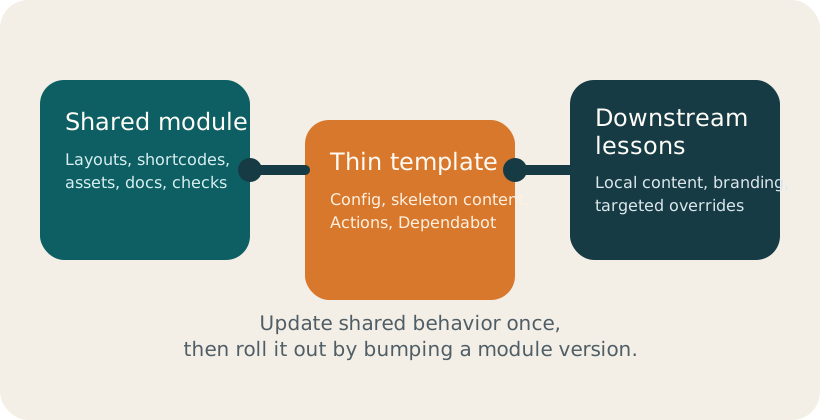
The lesson infrastructure in this repository is intentionally split in two:
- a shared module that owns the reusable lesson system
- a starter template that stays light and project-specific
That means people can keep their tutorials current without copying framework files across repositories.
If you are starting a real lesson, begin with
hugo-styles-template
and treat the pages in this section as examples of supported behavior.
Who this is for
This stack is aimed at lesson authors who want Carpentries-style pedagogy in a Hugo-native workflow.The module keeps the teaching model front and centre. For example, we can link directly to Formative Assessment practices and connect activities to a target learner profile such as Workshop Host .
Learner
As you read the example lesson, look for the places where metadata becomes visible structure: questions, objectives, key points, and active-learning prompts.
Instructor
This first episode is a good place to explain the module/template split before diving into syntax. Learners usually care less about the build system than maintainers do.
Key Points
- Preserve pedagogy and author ergonomics, not the historical implementation.
- A thin lesson repo plus a shared module gives a much cleaner update path.